
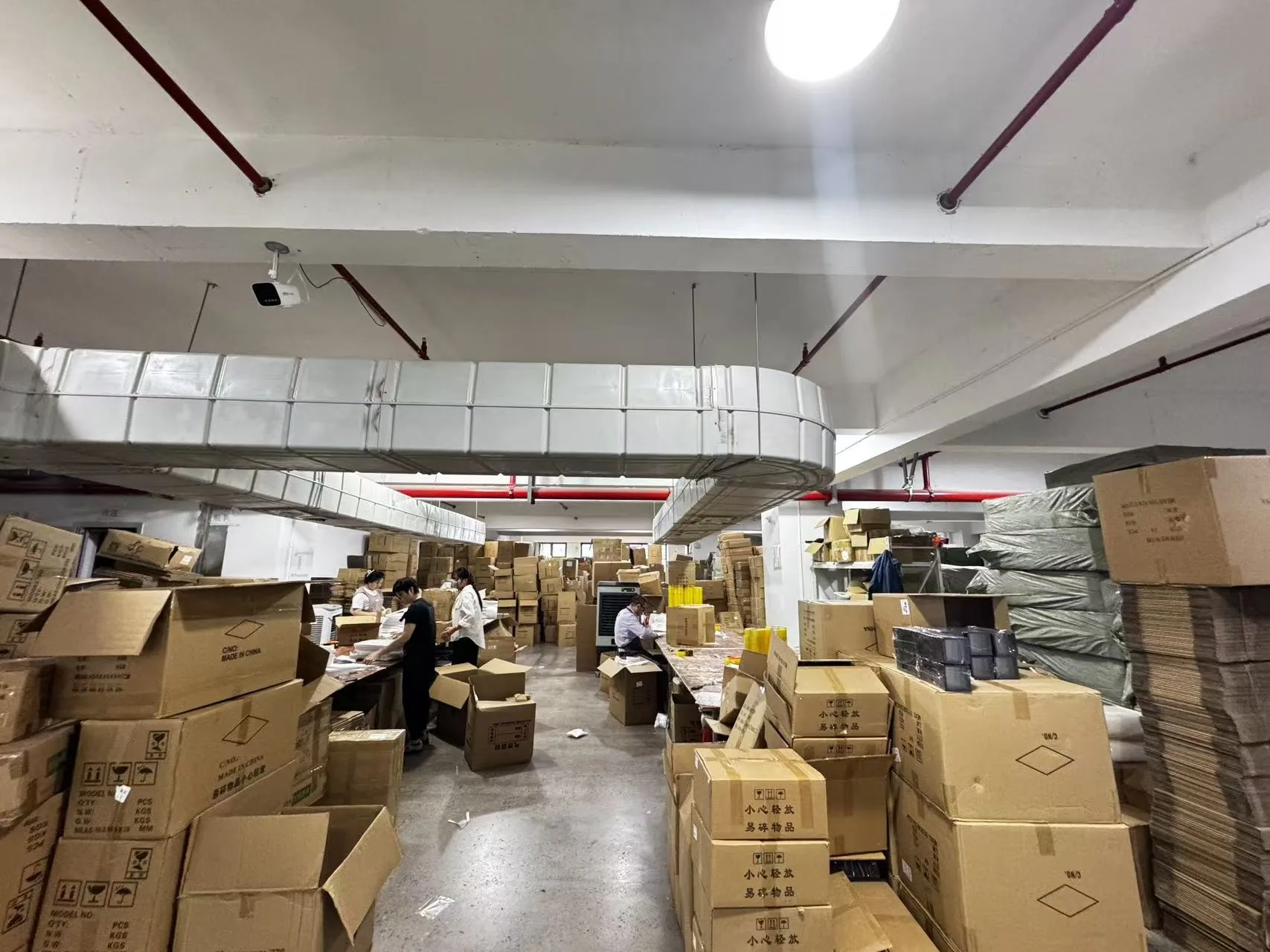
Stage 1: a specification, not a reference photo
A photograph communicates style; a specification communicates a product. Before a quotation can be compared, the supplier needs dimensions with internal clearances, material and thickness per part, edge finish, quantity tiers, branding method, packing requirements and destination. Internal clearance is the figure buyers forget most often, and it is the one that decides whether the product actually fits on the stand.
- Give overall dimensions and the internal space the merchandise needs.
- State the material and thickness for each part, or ask the supplier to propose and explain.
- Name the destination port and required date, so production and transport are quoted separately.
Stage 2: quotation, then a sample
A usable quotation is itemised rather than a single number: unit price per quantity tier, sample cost and time, tooling if any, packing, and freight basis. The sample is the real contract, because it fixes dimensions, edge quality, joint appearance and hardware. Sampling time is quoted separately from production, since a one-off sample and a fifty-unit run are different scheduling problems. See MOQ, sampling and lead time.
- Ask for the price at more than one quantity so the setup component is visible.
- Confirm whether the sample is charged and whether it is credited against the order.
- Ask what the sample is made on: the same process as production, or a bench build.
Stage 3: approve the sample against a list
A sample approved by feel is a sample that will be argued about later. Measure it against the drawing, check squareness on a flat surface, look along each polished edge for waves and bubbles in bonded joints, confirm the hardware is the specified type, and fit the actual product into the unit. Then check the packed carton, because packing defects appear in transit, not on a table.
- Dimensions and squareness measured, not eyeballed.
- Edge finish compared with the agreed finish, not with a nicer sample.
- Bonded joints free of visible bubbles and whitening.
- Product fit tested with the real item, at both extremes of its size range.
- Packed carton dropped or stacked to the agreed standard.
Stage 4: production and the checks inside it
Production for a 50-unit order takes 3–7 days after drawings and order details are confirmed and payment is received, with transport excluded. Larger quantities and new tooling are scheduled separately. Two checks matter during the run: the first article off the line, compared with the approved sample, and a mid-run check that edge finish and hardware have not drifted as the operator speeds up.
- Ask for photos of the first article before the run continues.
- Confirm who signs off a deviation, and in writing.
- Keep the approved sample at the factory as the reference, not only at your office.
Stage 5: inspection before packing
Inspection before packing is cheaper than inspection after arrival. Agree the defect definitions first, because a scratch that is acceptable on a hidden face is a reject on a front panel. Sampling is usually to an AQL level with a stated acceptance number; a third-party inspection can be booked, and documentary inspection such as an Intertek report can be requested where the buyer needs an independent record.
- Write the defect definitions: what counts as a scratch, a bubble, a colour shift.
- Agree sample size and acceptance number before the run finishes.
- Book third-party inspection early, as inspectors need lead time in peak season.
Stage 6: packing and the shipping mode
Shipping mode follows from volume and urgency, not from preference. Express is right for samples and small urgent runs and is priced on volumetric weight, which punishes bulky light cartons. LCL suits orders that do not fill a container but adds consolidation handling and a longer door-to-door time. FCL is the cheapest per unit once the volume justifies it, and it removes co-loading damage risk. Assembled versus flat-packed changes all three.
- Get packed carton dimensions and total volume before choosing a mode.
- Compare door-to-door times, not only sailing time.
- Decide who clears customs and who pays duty, in writing, before booking.
Documents that should travel with the goods
A commercial invoice, packing list and the correct HS code are the minimum, and a certificate of origin is needed where the destination grants preferential duty. Test reports and inspection certificates belong with the shipment if the buyer needs them at import. Missing or mismatched documents delay clearance far more often than production delays the goods. See certification and compliance.
- Invoice and packing list consistent with the carton marking.
- HS code agreed with the broker before the first shipment, not after.
- Certificates and reports scanned and sent ahead of the vessel.
What actually delays orders
In practice, orders are delayed by drawing revisions after the sample was approved, logo files that arrive late or in the wrong format, payment that lands after the production slot was given away, packing approval that nobody owns, and bookings made in the two weeks before a holiday. None of these are factory capacity problems, and all of them are avoidable with a named owner and a date on each item.
- Freeze the drawing before sampling, and version every change.
- Send logo files as vector artwork with the colour reference.
- Confirm the packing standard at sample approval, not at shipping.
How this buyer content is maintained
Published and reviewed by Yiwu Zhuochao Plastic Products Co., Ltd. Company facts are checked against the assessed Alibaba supplier profile; product and process guidance is based on the supplier’s current manufacturing scope and project-review workflow. Commercial terms and performance statements are published only where the owner can support them. Third-party certification issued by Intertek (天祥集团) is documented on the certification page; unit prices are quoted per project and are not published.
Frequently asked questions
What is the minimum order for a custom acrylic display?
Our minimum is 50 pieces per design. That figure is set by setup rather than by material: drawings, programming and jigs are paid once, so a smaller run carries the same setup across fewer units. If you need fewer than 50 to test a market, ask for a sample first and treat the first production run as the test.
How long does production take?
Production for a 50-unit order takes 3–7 days after drawings and order details are confirmed and payment has been received. Transport time is excluded. Larger-order schedules and sample timing are confirmed separately.
Should I inspect before or after packing?
Inspect before packing, and inspect the packed carton as well. Product defects are cheaper to catch before cartons are sealed, while packing defects only show up when a carton is dropped or stacked. Doing both in one visit is the cheapest arrangement, and it requires the defect definitions to be agreed before the inspector arrives.